
Cart
(0)
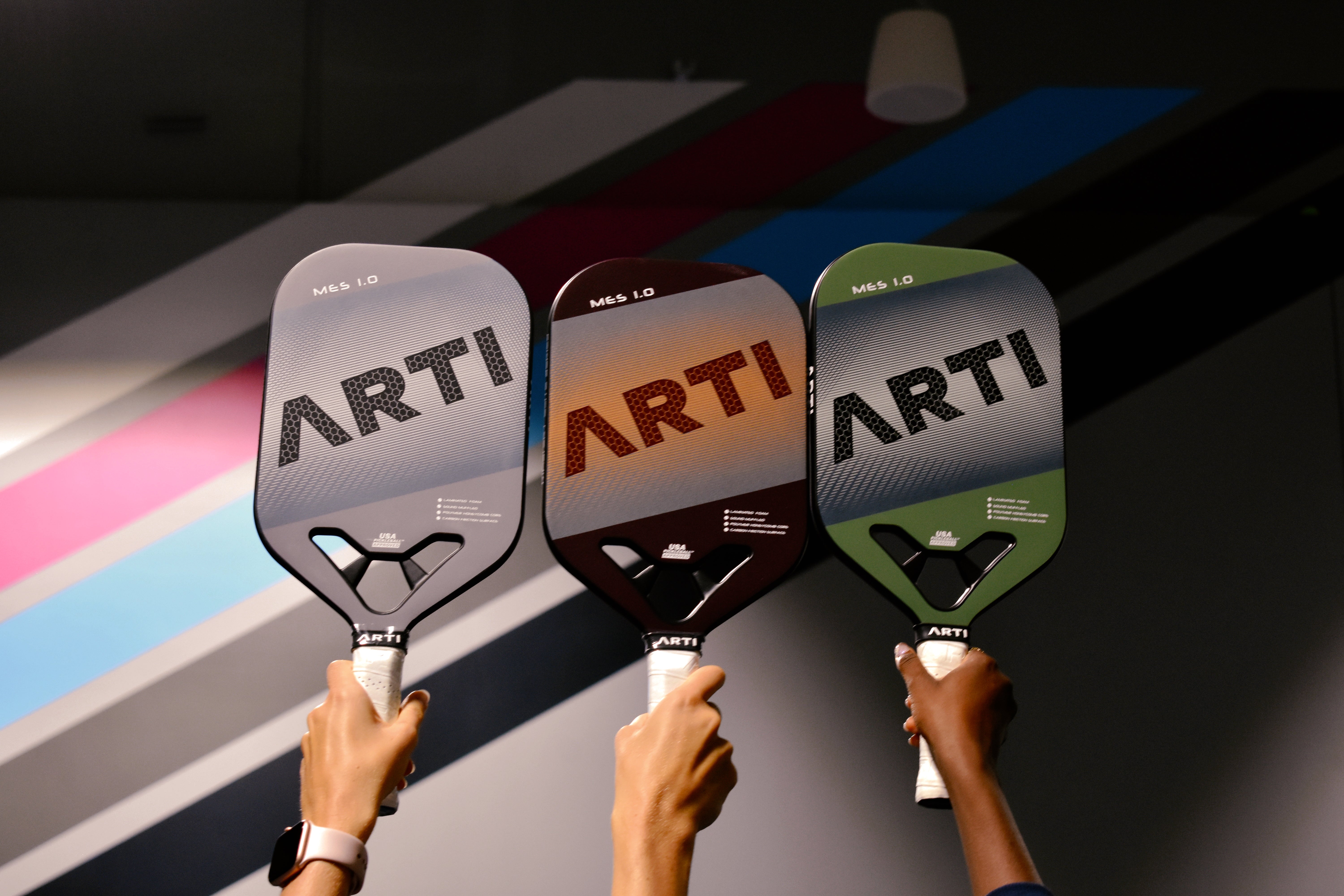
The Science of the Sweet Spot: How Paddle Tech Impacts Performance
Pickleball might look simple (a paddle, a ball, a court), but anyone who’s played knows there’s a world of precision behind every shot. At the heart of it is the sweet spot: that perfect point on your paddle that delivers maximum power, accuracy, and control.
Modern paddle design plays a huge role in finding that sweet spot consistently. Materials like polymer cores, graphite faces, and specialized edge guards aren’t just marketing—they impact how energy transfers from paddle to ball, the feel of each hit, and the stability during fast volleys.
Even subtle changes in paddle weight, balance, or texture can affect your swing and endurance. Lightweight paddles reduce strain during long matches, while textured faces help create spin, improving placement and control. Edge guards, once thought cosmetic, now protect against impact damage while maintaining structural integrity of the hitting surface.
Impact on Performance and Player Experience
- Sweet Spot Size: The sweet spot is the area on the paddle that maximizes power and control while minimizing vibration felt by the player. Paddle design and material choice can shift or enlarge this area, affecting shot consistency and comfort.
- Noise and Feedback: Paddles with optimized vibrational properties not only reduce noise complaints but may also provide better tactile feedback, helping players find and utilize the sweet spot more effectively
- Regulation and Innovation: New paddle designs, such as those meeting “Quiet Category” standards, aim to balance performance with reduced noise, reflecting ongoing innovation in paddle technology
For ARTI players, understanding your paddle is part of the game. Choosing the right tech for your style—whether you favor power, finesse, or defensive consistency—helps you hit that sweet spot, every time.
Tip: Experiment with paddle weights and faces to see how your sweet spot changes. Even small adjustments can make a noticeable difference in control and feel.
Sources:
Russell, D. (2024). Understanding pickleball noise at the source: The vibroacoustics of the pickleball paddle and ball. The Journal of the Acoustical Society of America. https://doi.org/10.1121/10.0027696.
Stiles, J., & Herrin, D. (2025). Pickleball Paddle And Ball Impact Noise. INTER-NOISE and NOISE-CON Congress and Conference Proceedings. https://doi.org/10.3397/nc_2025_0188.
Shop the gear
Published by ARTI — independent ARTI Pickleball paddles, balls, and gear. Browse the full catalog.

